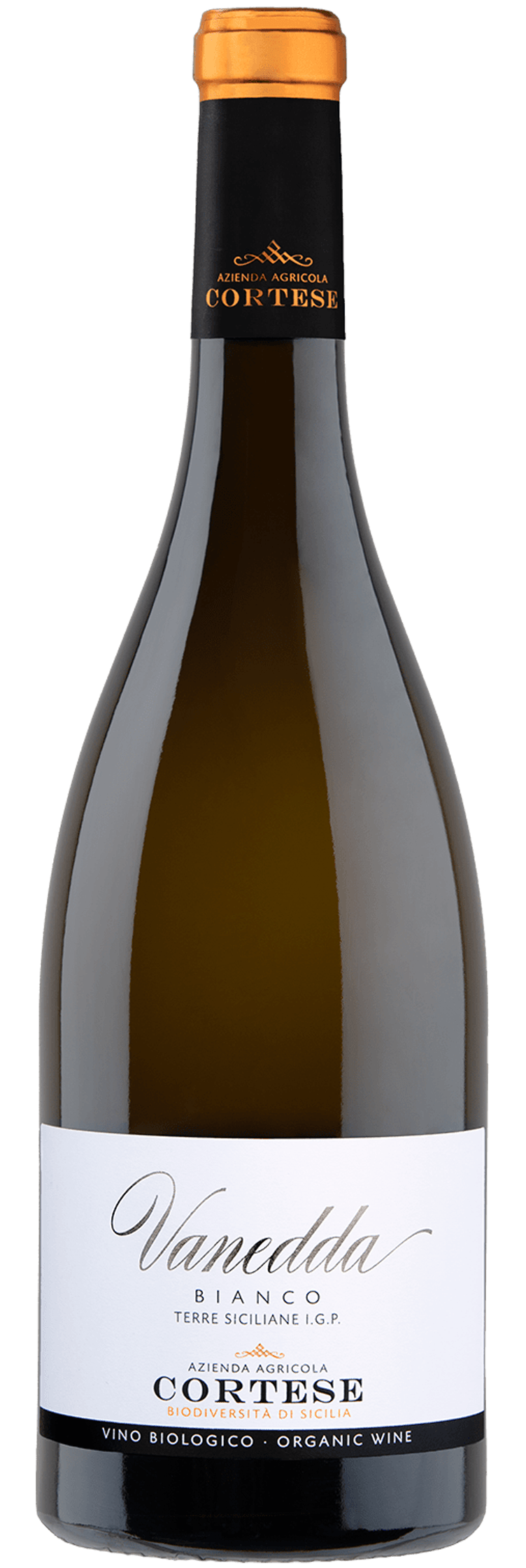
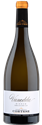
With only a very limited production of about 10.000 bottles per year, this surprising and serious style from Sicily is reminiscent of a southern Chablis. Made organically and co-fermented on their skins in old 30-litre Slavonian oak botti to add structure, it has a beautiful richness on the palate, which boasts depth and structure underpinned by clean, crisp acidity.
With only a very limited production of about 10.000 bottles per year, this surprising and serious style from Sicily is reminiscent of a southern Chablis. Made organically and co-fermented on their skins in old 30-litre Slavonian oak botti to add structure, it has a beautiful richness on the palate, which boasts depth and structure underpinned by clean, crisp acidity.
Read Less
Cortese is a long-running organic wine growing estate in Sicily’s southern Vittoria region that has been given a new lease of life under the fresh ownership of Stefano Girelli since 2016, who also runs nearby organic winery Santa Tresa. Girelli is a big believer in organics, and that ‘Sicily is the perfect place to grow organic wines at a high quality level' At Cortese they produce wine in the most traditional and natural way to reflect the true character of the estate’s terroir and its grape varieties.
Taking tradition as their inspiration, they started to employ ancient wine-making techniques such as fermentation in terracotta. The resulting wines reflect the combination of modern technology and traditional techniques, with every nuance of the terroir showing through.
Cortese is a long-running organic wine growing estate in Sicily’s southern Vittoria region that has been given a new lease of life under the fresh ownership of Stefano Girelli since 2016, who also runs nearby organic winery Santa Tresa. Girelli is a big believer in organics, and that ‘Sicily is the perfect place to grow organic wines at a high quality level' At Cortese they produce wine in the most traditional and natural way to reflect the true character of the estate’s terroir and its grape varieties.
Taking tradition as their inspiration, they started to employ ancient wine-making techniques such as fermentation in terracotta. The resulting wines reflect the combination of modern technology and traditional techniques, with every nuance of the terroir showing through.
"a nose of honeyed lemon, pear, straw, dried flowers and buttery nuts and a palate that combines creamy richness and riveting vitality with sweet roast almond, white peach, a hint of honey and a long, fresh, preserved-lemon finish." Joanna Simon
The grapes are carefully hand-harvested into small baskets and only the best
quality are selected to make Vanedda. The baskets of grapes are refrigerated
at 10°C for around 24 hours. After this is completed the wine is carefully de-stemmed and fermented
on the skins for at least 2 days, after which we separate the wine from the skins
and finish the fermentation in 30hl oak botti. Following fermentation,
the wine stays on the lees for at least 7 months and remains in bottle
for a further 6 months before being released on to the market.

 Login / Register