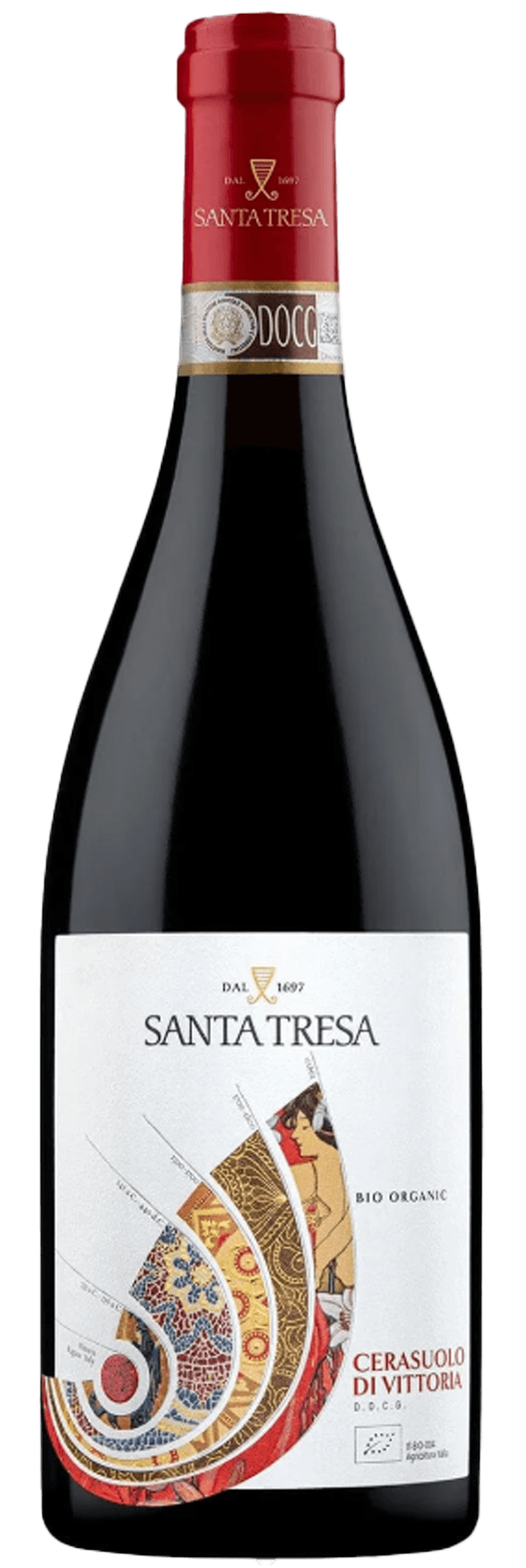
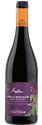
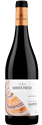
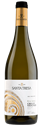
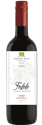
A soft, medium-bodied organic red, this is Sicily’s first Dominazione Origine Controllata e Garantita, the highest stamp of quality that can be given to an Italian wine. The dark, fruity Nero d’Avola grapes are balanced with the lighter strawberry and cherry notes of Frapatto, making good summer drinking with or without food.
A soft, medium-bodied organic red, this is Sicily’s first Dominazione Origine Controllata e Garantita, the highest stamp of quality that can be given to an Italian wine. The dark, fruity Nero d’Avola grapes are balanced with the lighter strawberry and cherry notes of Frapatto, making good summer drinking with or without food.
Read Less
One of Sicily’s oldest and finest wineries, producing top quality, indigenous varietal wines from Vittoria. In perfect harmony with nature and with ideal grape-growing weather conditions, Feudo di Santa Tresa’s vineyards benefit from the Sicilian sun and cooling sea breezes, far enough away from the sea. Here, we are able to produce organic wines with the ultimate expression of our grape varietals and the soul of Sicilian character. Considerable replanting and upgrading on the 50 hectares “terra rossa” vineyards, alongside the highest quality winemaking, results in exceptional wines.
A ruby red colour, with violet flecks. On the nose, there are
notes of morello cherries, and caramel. The palate is mouth-filling, with
excellent structure, soft tannins and a long finish
After a very gentle destemming, the Nero d’Avola grapes are
fermented in 30hl Slavonian oak botti, at about 18-24°C. The number of
delestages and remontages is decided by tasting. Once fermentation is
completed, the juice remains on its skins for around 15 days. After it has
been separated from the skins, it is put back into oak botti, where
malolactic fermentation occurs naturally. The Frappato is fermented in
stainless steel tanks at a temperature of 18-20°C, cooler than for the Nero
d’Avola in order to retain the fruity notes. After fermentation, the juice is
left on the skins for 8-10 days, after which malolactic fermentation takes
place.

 Login / Register